
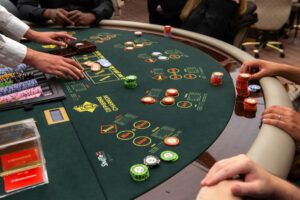
Observing Opponents in Playing Poker – Observing opponents is one of the most important aspects of playing poker, regardless of the format or skill level. While poker involves probability and card combinations, it is ultimately a game of people. The ability to notice patterns, behaviors, and tendencies in other players can provide valuable information that cards alone cannot reveal. Skilled players use observation to make better decisions and reduce uncertainty at the table.
One of the first things to observe is an opponent’s playing style. Most poker players fall into general categories, such as tight or loose, aggressive or passive. Tight players enter fewer hands and usually wait for strong cards, while loose players participate in many hands. Aggressive players bet and raise frequently, while passive players tend to check and call more often. Identifying these tendencies helps predict how opponents are likely to act in different situations and allows players to adjust their own approach accordingly.
Another key area of observation is betting behavior. The size and timing of bets often provide clues about hand strength. For example, a sudden large bet from a player who has been cautious may suggest confidence, while small or hesitant bets can sometimes indicate uncertainty. Consistent betting patterns over time are especially useful, as they reveal how a player behaves with strong hands compared to weaker ones. Observing how opponents react to raises is also important, as it shows whether they are comfortable applying pressure or prefer to avoid confrontation.
Physical and behavioral cues, commonly referred to as tells, can also be informative in live poker settings. These may include changes in posture, facial expressions, hand movements, or breathing patterns. Some players become tense when bluffing, while others appear overly relaxed when holding strong cards. However, tells should always be interpreted carefully, as experienced players may intentionally display misleading behaviors. Online poker replaces physical tells with digital cues, such as betting speed, chat behavior, and consistency in decision-making.
Observing how opponents handle winning and losing is another valuable insight. Emotional reactions, often called “tilt,” can affect decision-making. A player who has just lost a large pot may play more aggressively or recklessly in the following hands, while a player on a winning streak may become overconfident. Recognizing emotional shifts helps players anticipate changes in behavior and avoid unnecessary risks.
Position at the table also influences how opponents act, making it important to observe how their strategies change based on where they are seated. Some players become more aggressive in late position, while others play the same way regardless of position. Noticing these differences allows players to better understand how opponents use position and when they are more likely to bluff or value bet.
Ultimately, observing opponents in poker is about collecting information over time and using it wisely. No single action or behavior provides a complete picture, but patterns that repeat across many hands can be highly revealing. Strong observation skills help players make more informed decisions, reduce guesswork, and gain a deeper understanding of the human element that makes poker a unique and enduring game.